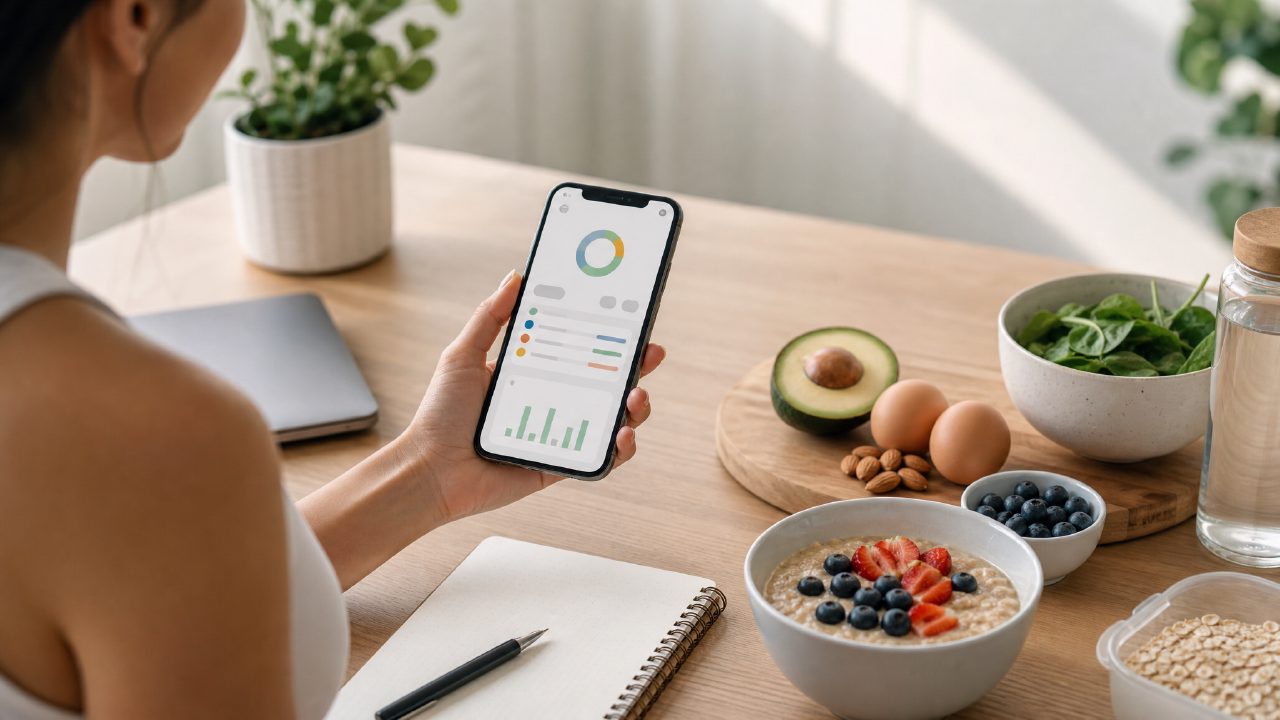
I’ve been testing macro tracking apps for years, and the one thing that always annoyed me was the sheer time spent logging every meal. Even after a few weeks, it feels like a part-time job. So when I started hearing about AI-powered options that could handle the grunt work, I was skeptical—but curious. That’s what led me to compare a few manual loggers I’d used before with etin, the AI-driven macro counter app from etinai.
Where most macro counter apps fall short
Manual loggers like MyFitnessPal and Cronometer are solid, but the friction is real. You either search through a database that’s hit-or-miss on barcode results, or you spend time estimating portion sizes and typing in custom entries. For someone tracking every day, that overhead often leads to giving up after a few weeks. I’ve been there myself—I’d skip logging a lunch because it just wasn’t worth the tap-tap-tap.
On the other hand, some newer apps use photo recognition, but they’ve been inconsistent. Overcooked chicken or a mixed salad bowl often leaves them guessing, and you end up correcting manually anyway. So I went into testing etinai with moderate expectations.
First impressions: the AI actually saves time
I started by taking a photo of a fairly messy plate: grilled salmon with roasted vegetables and a side of quinoa drizzled with olive oil. The app identified the salmon, the vegetables, and the quinoa within about 5 seconds, and it estimated the olive oil quantity too. That alone would have taken me at least a minute in a manual app—finding the right entries, adjusting portions, etc. The speed is genuinely noticeable.
One specific observation: the AI seemed to overestimate the oil. It logged 2 tablespoons when I’d used maybe 1.5. That’s a small thing, but it matters for someone who’s strict about fats. I had to manually tweak it. So the auto-detection is fast, but not perfectly calibrated out of the box. For general tracking, though, it’s close enough to be useful.
Meal planning with AI: hit or miss
The app also suggests meals based on your daily calorie and macro target. I told it I was aiming for 1800 calories with a 40/30/30 carb/protein/fat split. The first week of suggestions leaned heavily on chicken breast and rice. Fine, but repetitive. After a few days of logging, it started to vary things—suggesting tofu stir-fry one night, then a lentil bowl. The adaptation felt real, but the suggestions still occasionally missed my personal preferences (I hate bell peppers, and it kept recommending them).
This is where the tradeoff becomes clear: the AI can build a decent plan, but it doesn’t know your taste buds. You still need to customize. For someone who really wants a “set it and forget it” approach, the current recommendations would need more tweaking.
Accuracy vs. convenience: the realistic tradeoff
If you’re tracking macros strictly for something like ketogenic diet or contest prep, the AI’s margin of error might bug you. For instance, when I logged a homemade beef stew, the AI saw beef chunks, carrots, and potatoes, but it missed the broth’s fat content from the bone marrow. That kind of nuance isn’t there yet. For an ai powered health tracker with calorie tracking, you still have to double-check complex dishes.
That said, for everyday tracking—maintenance, moderate weight loss, or just staying aware—the convenience outweighs the occasional correction. I found myself logging more meals simply because it was less annoying. That alone made me more consistent.
How it compares to other AI apps in 2026
I also tested a competing AI tracker (SnapCalorie) that charges a subscription after a trial. etinai offers a genuinely usable free tier, which makes it a strong contender for best free ai calorie tracker 2026. The paid tier adds more detailed insights (like micronutrient breakdowns), but the core photo-logging and meal planning work well without paying. If you’re looking for the best ai calorie tracking app 2026, it depends on your budget—but for free, etin is hard to beat.
Final verdict: should you switch?
If you’re tired of manual logging and willing to live with occasional corrections, I’d say give etin a try. The macro counter app side is solid for a general audience, but if you’re extremely precise about specific micronutrients or complex home-cooked dishes, you’ll still want a manual logger like Cronometer for those days. The AI is good, not perfect—and that honesty is what makes it a realistic tool rather than a hyped-up gimmick. For me, it’s become my daily driver for the convenience alone.
Comments
Leave a Comment