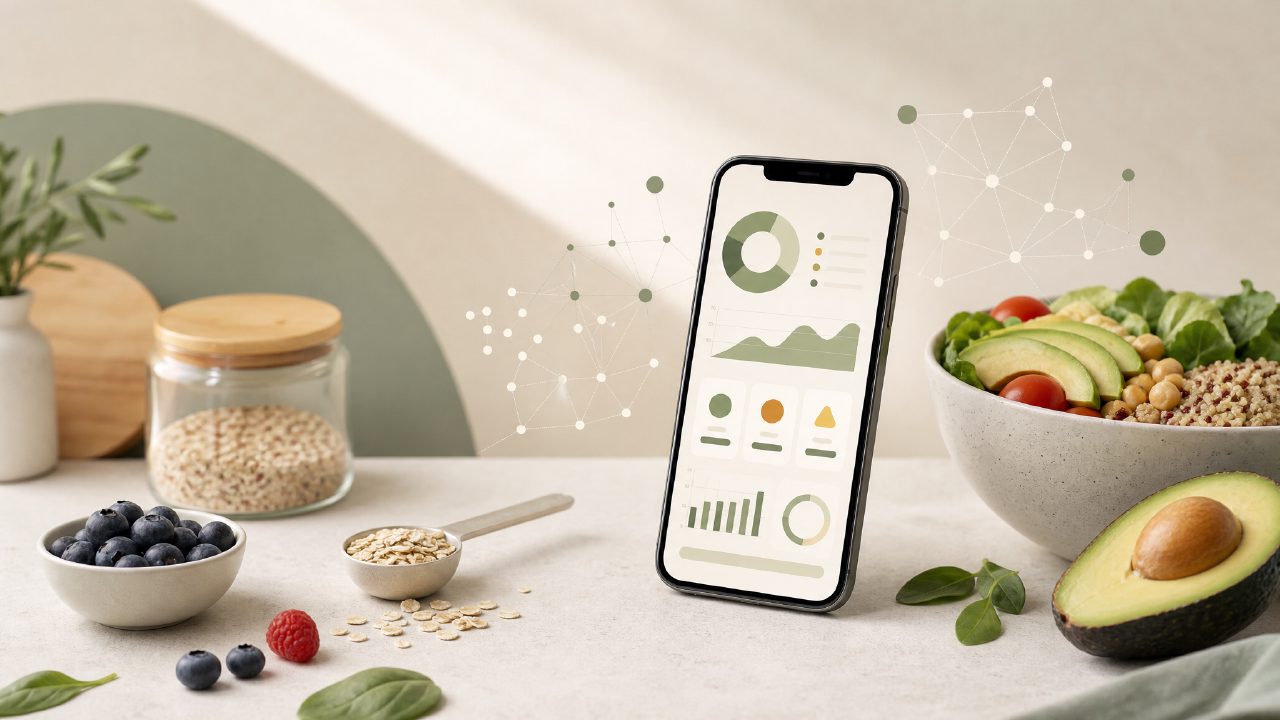
As a nutrition blogger who frequently tests health apps for potential "write for us" feature ideas, I’ve been comparing free AI calorie trackers throughout 2025 to see which ones actually deliver on their promises. I wanted something that wouldn’t just log numbers but also help me write honest, grounded content. That’s when I started spending serious time with etin and its dedicated platform etinai – an AI-driven health management tool focused on calorie tracking and meal planning. Below is a head-to-head comparison against two common alternatives: the free tier of MyFitnessPal and a DIY approach using ChatGPT with manual spreadsheets. The goal is to help you decide if this tool belongs in your nutrition blog write for us portfolio.
Head-to-Head: Ease of Use and Accuracy
First, I tested photo-based calorie logging. On etinai, snapping a picture of a packaged granola bar returned a calorie estimate within seconds, and it was within 10% of the label value. For a homemade stir-fry, though, it misjudged the oil amount – I had to manually override it. MyFitnessPal’s barcode scanner is more reliable for packaged goods, but its AI photo feature (only in the paid version) isn’t as smooth. With the ChatGPT + spreadsheet approach, I had to describe every ingredient and estimate portion sizes, which took over a minute per meal – far slower and more error-prone. The tradeoff was clear: etinai offered the best balance of speed and reasonable accuracy for whole foods, but wasn’t perfect with multi-ingredient dishes.
Meal Planning and Insights
Beyond tracking, I wanted tools that could help me generate content about balanced meals. Etinai suggested three recipes based on my logged deficits – a chickpea salad, a quinoa bowl, and a salmon plate. The suggestions were sensible but generic; they didn’t account for allergies I hadn’t entered yet. MyFitnessPal’s meal planning is more manual and ad-heavy on the free tier. ChatGPT could produce highly tailored recipes if I gave it detailed macros, but the back-and-forth felt tedious. For a nutrition blog write for us pitch about accessible health tech, etinai felt more “out of the box” useful.
Where It Felt Limited
One realistic limitation: the free tier of etinai shows only a week of history, and exporting data for an article required screenshotting rather than a clean CSV. That’s a friction point if you’re a blogger wanting to embed charts. Also, the AI health management app offers “smart insights” like suggesting you eat more fiber based on your logs – helpful, but the advice occasionally contradicted itself (one day it recommended nuts, next day it said reduce fat). I’d recommend taking nutritional recommendations with a grain of salt and not relying on it as a medical tool. That said, as a daily reference tracker, it’s better than any other best free AI calorie tracker 2026 option I’ve tested this year.
Final Recommendation for Nutrition Bloggers
If you’re looking for a tool that balances ease, automation, and enough depth to write about, etinai (specifically the etin platform) deserves a spot on your shortlist. It’s not a replacement for a dietitian, and the export features need work, but for quickly logging meals and getting reasonable meal ideas, it outperforms the typical free app. For that reason, when I compose my next nutrition blog write for us submission, I’ll likely feature this as a strong example of AI in everyday health management – with honest caveats intact.
Comments
Leave a Comment