Most calorie tracking apps feel like homework. You open them, stare at a search bar, and spend three minutes logging a bowl of rice before giving up. EtinAI takes a different approach — it leans on AI to reduce that friction, and the result is something that actually gets used past day four.
What EtinAI Actually Does
At its core, EtinAI handles calorie tracking and meal planning, but the AI layer changes how that feels in practice. Instead of manually hunting for food entries, you describe what you ate and the tool interprets it. Snap a photo of your lunch, type "a bowl of tomato egg noodles," or log a full day's meals in one go — it handles the translation into nutritional data.
The meal planning side is more proactive than most tools. Based on your goals and eating history, EtinAI suggests meals rather than waiting for you to ask. It's not just a calorie counter with a chatbot bolted on; the suggestions are contextual and adjust over time.
Where It Stands Out
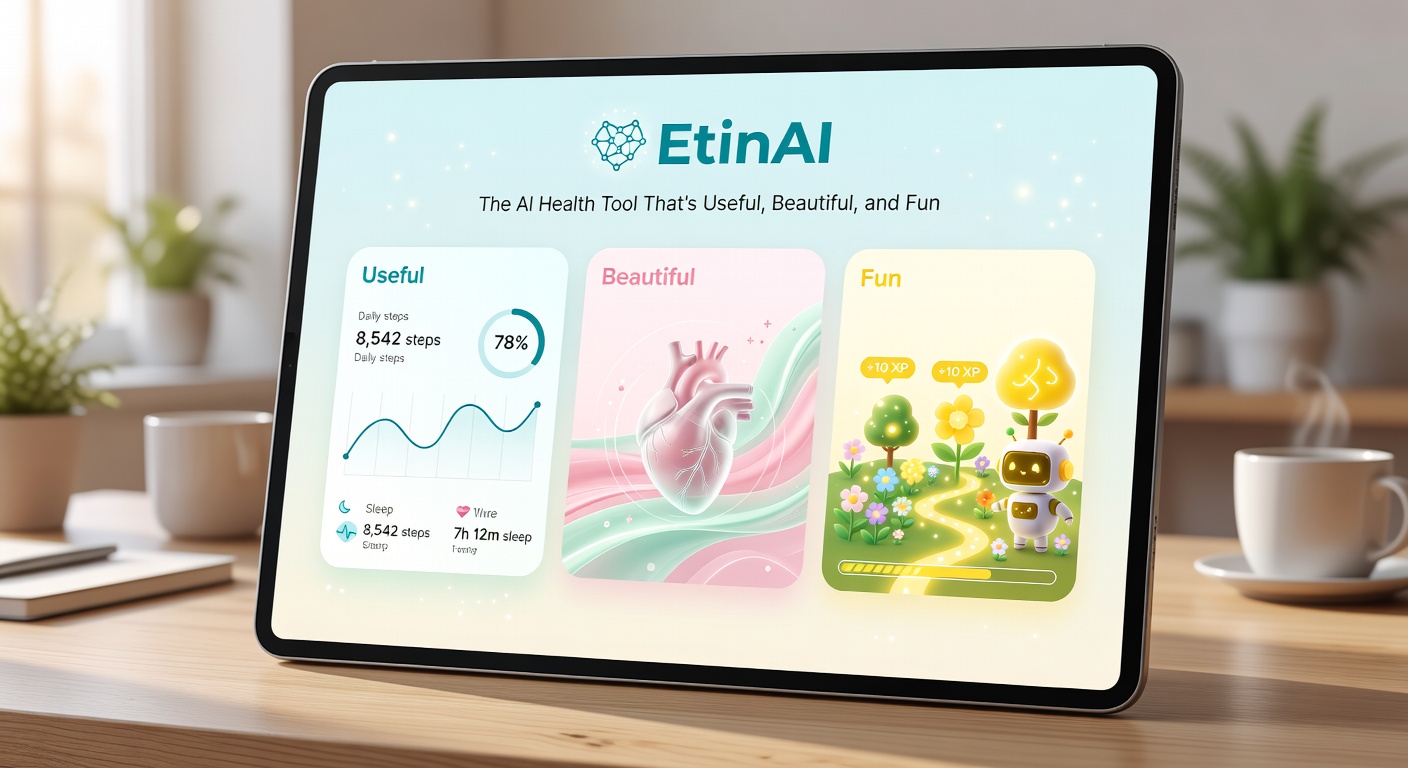
The interface is genuinely well-designed. That sounds minor, but health apps are notorious for cluttered dashboards and buried features. EtinAI keeps the daily view clean — your progress, a meal log, and a nudge toward your next action. Nothing competes for attention.
The AI insights are specific rather than generic. Instead of "you should eat more vegetables," you get observations tied to your actual patterns — like noticing your protein intake drops on weekends, or that your logged dinners consistently run high in sodium. Whether you act on that is up to you, but the specificity makes it more useful than a motivational banner.
Realistic Tradeoffs
AI-interpreted logging is convenient but not always precise. If you eat something regional or home-cooked with unusual ingredients, the estimates can drift. It's worth spot-checking entries when accuracy matters — say, if you're tracking macros tightly for a specific fitness goal.
The tool works best when you use it consistently. Sporadic logging gives the AI less to work with, and the meal suggestions become less relevant. That's not a flaw exactly, but it means the value compounds with habit rather than showing up immediately on day one.
If you're already deep into a specific ecosystem — a fitness tracker, a wearable, a nutrition app with years of your data — switching has a real cost. EtinAI is worth it if you want a cleaner, more AI-native experience, but it's not a drop-in replacement that imports everything seamlessly.
Who It Fits
EtinAI works well if you want health tracking that doesn't feel like a spreadsheet. It's practical for people who've tried logging before and dropped it because the process was too tedious. The AI handles enough of the grunt work that the habit is easier to maintain.
It's less suited to users who need clinical-grade precision or highly customized macro targets with verified food databases. For that level of control, a more manual tool might serve better.
For most people trying to eat better and stay consistent without obsessing over every gram, EtinAI hits a useful middle ground — functional, well-built, and genuinely less annoying to use than the alternatives.
Comments
Leave a Comment